Saturday, March 21, 2015

The cost of a pound of flesh


3,500 kilocalories, an 8 hour jog, 1,460 stairs, 480 laps of an Olympic sized swimming pool...All of these numbers measure the energy required to burn a pound of fat. But what does that really mean to your way of life and the world that surrounds you?

What it means to you

Looks and appearance aren't everything, but if it is a source of grief in your life, then weight-loss can be a key to achieving a happier sense of self. In the developed world, our physical health is one of the few life factors that we have absolute control of, and it's the first place people turn when they find the rest of their world is in turmoil; this applies to both positive and negative influences on your life. If you are like many people who have had a stressful day at work, chances are you come home and eat, and eat, and eat. This impulse exists because something in your life that you can definitely control is what goes in your mouth. The more chaotic our lives get, the more we seek an internal locus of control. In fact, during the latest economic recession, health and fitness is one of the few industries that has still shown growth.

Losing weight is hard. Your body does not want to change, and certainly does not want maintain the consistent calorie deficit that is required to do so. So what a pound means to you is hard work, mental discipline, sweat, and more than likely a few tears. If you are just beginning this journey, know that the physical and psychological payoff is immeasurable. The amount of personal growth that comes from taking control of your health, overcoming obstacles, and breaking through mental barriers will change you and your life-trajectory.

What it means to the fitness industry

The first thing you should know is that beyond the physical price your body pays, fitness is FREE. You can go out for a walk or a run, you can swim in the ocean or run up some city stairs, and you can do body weight pushups, crunches, and squats, and it won't cost you a dime.

BUT

The health & fitness industry has done an awesome job of complicating something that should be almost intuitive by inundating the public with an avalanche of products and information (and most of it is crap). I should qualify that last statement by saying that I believe that a good personal trainer is a great investment for any beginner, but the reality of fitness, is that you can do it yourself.

Here is what a pound means to the fitness industry:
  • 5-10 personal training sessions (variance due to the skill of the trainer and the heart of the exerciser). Depending on the rates you can negotiate (as low as $30/session, as high as $120/session, usually), one pound of fat will earn "the industry" between $150 and $1200
  • Gym memberships are rarely sold for less than a month at a time, but chances are you'll be on the hook for a minimum of $20. People rarely cancel their memberships after one month, however, and many will keep the membership out of guilt and maybe's, but not use it for a year or more (the high-end gyms can easily cost over $1000/year)
  • You have bought, are buying, or will buy a gadget or piece of equipment that claims to make exercising, more fun, easier, or more effective. You will use it once, and then you will forget about it. Let's just hope that "it" refers to a $5 jump rope and not a $1500 BowFlex   
What it means to the healthcare industry

"Healthcare" is an oxymoron of the most moronic sort. It should be called Sickcare, or more appropriately, Sickwedon'tgiveaf*ck. It is inefficient, expensive, and it relies on reactive, band-aid measures and thinking. It is a multi-billion dollar industry, and "healthcare" companies only make money when you are sick. What does a pound mean to the healthcare industry? It means you are not buying their product. Every pound shed means less of a strain on your heart and joints. Every step, stroke, or rep, releases endorphins, naturally enhancing your mood and outlook on life.

Pills, injections, respirators, etc, should not be a way of life. And yet health care professionals recommend baby Aspirin to reduce your chance of stroke, Lipitor to cut down on your cholesterol, Xanax for anxiety and panic, Cymbalta for depression...when did we just accept that we should feel terrible and that if we take a pill, it will all be better? Let's be clear, sickness is a business, and right now, business is good. Make no mistake, the healthcare industry is not here to help you, they are there to patch you up just long enough to empty your wallet and make you think that you are reliant upon them, but you aren't. Health, fitness, and happiness, are all within your grasp.

What is the value of a pound to you? PRICELESS.

@BrendanRolfe

Image Credit
[1]http://www.outsourcetothephilippines.com/wp-content/uploads/2012/11/350dollars-salary-of-va.jpg

Friday, March 20, 2015

5 exercises no real athlete will touch

When I go to the gym, I can instantly separate athletes from exercisers, both in the quality of their movement, and by the exercises they choose to fill their programs with. Here are 5 exercises you won't catch any real athlete doing at the gym.


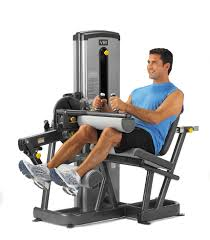
[1]

Seated Hamstring Curls - There are only 2 occasions that call for leg isolation exercises: 1) Recovering from an injury 2) Body building...and when was the last time you saw a body builder do something athletic?

[2]


INSTEAD
try Deadlifts


[3]

Pulldowns - Studies have shown that doing pull ups will increase the amount of weight you can use while performing a pulldown, conversely, increased pulldown capacity has not been shown to do the same for pullups. 'Nuff said.
[4]


INSTEAD try Eccentric Pullups


[5]


Tricep Kickbacks - The body positioning required by kickbacks cuts off potential range of motion and opens up more opportunities to cheat. 

[6]


INSTEAD try a Sphynx Pushup


[7]

Concentration Curls - Single arm isolation exercises are great...if you have 4 hours per day to spend at the gym. Not only do you get secondary bicep activation when you do real exercises like pullups and rows, but there are about a million more effective bicep exercises that don't make you look like a tool.


[8]
 INSTEAD try a Zottman Curl


[9]


Machine back extensions - I have tried this one at different stages of my fitness journey, and every time it feels awkward, uncomfortable and unnatural. That is because your lower back is not built to move independently of the rest of your posterior chain. Because it is easy to grip tight and cheat, people load up the weight on this exercise and risk injury for very little benefit.


[10]
 INSTEAD try Scorpion Extensions


@BrendanRolfe

Image Credits
[1]http://buffblogger.com/wp-content/uploads/2012/09/VR1-Seated-Leg-Curl_13060.jpg
[2]http://www.menshealth.com/mhlists/cms/uploads/1/barbell-deadlift_1.jpg
[3]http://www.carrienyden.com/wp-content/uploads/2010/02/lat-pulldown-start.jpg
[4]http://nicktumminello.com/wp-content/uploads/2013/12/pullup_negative.jpeg
[5]http://www.bodybuilding.com/exercises/exerciseImages/sequences/348/Female/m/348_2.jpg
[6]https://loseyoself.files.wordpress.com/2015/01/sphinx-pushup-garcia.jpg
[7]http://www.bodybuilding.com/exercises/exerciseImages/sequences/136/Male/l/136_1.jpg
[8]http://munfitnessblog.com/wp-content/uploads/2011/10/Zottman-Curl-Workout-Woman.jpg
[9]http://www.fitsociety.nl/wp-content/uploads/2013/10/back-extension1.jpg
[10]http://m.ufc.com/news/mma-power-training-cub-swanson


Thursday, March 19, 2015

If you're in pain, it's probably your own fault

...you just have to know how to listen...

No, I'm not talking about your last failed relationship. Your body is smarter than you, it will tell you when it's happy or unhappy, and you best be listening.

Tell your stupid ranch tooth to shut up
[1]
First, I want to address exercising. When you are exercising, there is body talk, and there is brain talk. More often than not, your brain gets in the way of a good workout. When you are 9 reps deep in to a 12 set, or 15 seconds from a minute interval sprint, there is a moment where you question whether you can reach your target. I don't care whether you are wet behind the ears or a power-lifter of 25 years, "can I do 1 more rep" encroaches your mind on every set. This is when your brain pipes up first and says, "better not, we could hurt ourselves, there's no shame in 9 reps." But guess what? Your brain can and will lie to you. It does it all day, every day. Your brain is responsible for the cant's and dont's in your life, and more often than not, it gets in the way of success. Your body can, and it will, as long as you bring focus and real effort to the last reps of each set.

So, the "can I's" come from your brain and stem from fatigue. I hope I have been clear in establishing that this voice is of no use to you and should be ignored. What you need to listen to is pain signals. Pain signals are different from discomfort signals and are easily recognizable. For instance, that burning feeling you get in your muscles is discomfort, that stinging sensation in your knee is pain. And in fact, the goal of working out is to achieve discomfort and keep pushing through it. Enduring discomfort will make you stronger (physically and mentally), but working through pain can cripple you. The answer is not to avoid anything potentially painful and to park your rear-end on the couch with a cool beverage. Try modifying the depth, execution or the exercise itself so that you can exercise without pain. Remember, the human body is built to move and thrives of adversity; use it or lose it.

[2]
Silence is golden
Eating: this is where my ass gets so chapped with both people's complaints, and niche-market products, that a bowl of Vaseline would not provide any relief. If you can't get through the day without products like Gaviscon, Beano, Tums, Rolaids, Pepsid AC, etc, you need to give your head a shake. The reason your body gets bloated, heart-burn, nausea, etc, is because it doesn't want you to ingest that crap! When was the last time anyone got heart-burn from cucumbers, brown rice, and baked salmon?!? Nevruary, that's when.

Instead of masking the symptoms of a pissed-off body, try listening to it instead. Further, every body is different; some people can get bloated from healthy food like apples, beans, yoghurt, etc. Listen to your body in this capacity as well. If these healthy foods bloat you, it is probably because there is something in them that does not agree with your chemistry. If everyone made it their goal to eat only foods that did not make them burp, fart, bloat, burn or drowsy, the developed world would not be facing the health epidemic in which we currently find ourselves.  

Home body
You may like to party HARD, but you will pay for your transgressions. I won't go too in depth on this one. I think most of us can say that we have felt the icy, steel toed boot of tough love in our ribs from a night (or 10) of partying. Just know that your body keeps a tab. Scarring on your liver, clouding of your lungs, clogging of your veins and intestines, etc, all result from the nights out that you don't remember. I'm not saying don't party, in fact, you will be relived to know that your body is a beast when it comes to repair and recovery, but you should know that if you don't treat it like a temple in between keg-stands, the effects can be cumulative. Around the 30 years mark, I have now been introduced to the magical 2-day hangover, which makes me carefully weigh the value of a night out to get loose, and necessity to be a grown up the next day and get stuff done.

[3]

The point is, your body talks to you and it doesn't lie. The sooner you are hearing it, and truly listening, the sooner you are happier and healthier. Like anything else in this world, you get out what you put in.

@BrendanRolfe

Image Credits
[1]http://drronhillchiropractic.com/wp-content/uploads/2012/10/depositphotos_10772870_m.jpg
[2]http://cdn.istoresinc.com/prankplace/images/fullsize/8311.jpg
[3]http://www.gifsforum.com/images/gif/party%20hard/grand/party-hard-eccbc87e4b5ce2fe28308fd9f2a7baf3-293.gif

Saturday, March 14, 2015

2015 Gym Review

Does Your Gym Measure Up?


At some point in every fitness freak's gym career, they will look back and say to themselves "Damn, I've spent a lot of time in the gym." In my case, not only have I spent a lot of time in the gym (like A LOT a lot), I have been pretty unbiased in my allegiances (you might say I get around). Here is my professional opinion about some of the joints I've dropped a weight or two at:


Trevor Linden Fitness (Club16)/She's Fit


membership cost: $15-$25/mo.

facilities: Clean, well maintained, new equipment. Like most gyms, too many treadmills, not enough squat racks. Bathrooms are clean, gym is bright and open, though there are issues with locker break-ins, oddly enough. There is a women's-only side (She's Fit) if you require a little more privacy. Unlimited tanning is available for an extra $5 per month. They do not offer classes, per se, but do offer a lunch hour circuit training program.

clientele: You get a real mixed bag, but the majority of exercisers fall in to the "college student" category. Low price-points and fairly central locations make it accessible to all. At times there is a frustrating mix of newbies with no sense of gym etiquette, hard-cores with no sense of consideration, and social butterflies with no sense of purpose.

staff: Staff are young, friendly, and helpful. There are no "in-house" personal trainers there, but the staff seems knowledgable at a basic level and are a good resource for beginners.

value rating: 7/10 - Good staff, clean facilities, low fees


YMCA/YWCA


membership cost: $40-$60/mo.

facilities: Depending on the age of the facility, the equipment is reasonably new and well maintained. You will notice extra wear and tear from the volume of use, but on whole, it is reasonably clean accessible. They tend to pack A LOT of equipment in to a little space, but have a good variety. You are going to wish there was more space. Bathrooms are clean and large and there is a pool, which is a nice feature. They also have a gymnasium where they run various sports, health, and other programs. This is included in your membership.

clientele: A decidedly youthful and international flavour. Frequent sprinklings of the super fit senior and many cardio warriors. This is actually a gym that could stand to gain more cardio equipment, though there is no where to put it because they are maxing out their space as it is. This space gets INSANELY busy at peak hours, to the point where I have walked 20 minutes to get there and just said "F-it" and left without a workout.

staff: The instructors are good, but in general I find the staff at the YMCA and YWCA to be somewhat disinterested and apathetic. They seem very hands off and unwilling to go out of their way to be helpful. There are personal trainers offered at the YMCA and YWCA. In fairness, I have not had a session with any of them, so cannot speak to their abilities. When reviewing their qualifications, I find them to often be new to the industry. This can be a plus however, as you will get an enthusiastic trainer with good intentions.

value rating: 6/10 - Good facilities & activities, but cramped quarters and disinterested staff


Steve Nash Sports Club


membership cost: $70-$110/mo.

facilities: Extremely large facilities with plenty of space. Equipment is clean and new, though often "under repair." There is a pool offered at one location an outrageous amount of cardio equipment offered at all. Their equipment includes many of the industry's newest and trendiest. They offer classes (included) in spinning, yoga, dance, group training, etc, though oddly enough, none of the "Sports Clubs" include any facilities to do sports. The gym space is usually very clean, but the locker rooms and surprisingly unkempt. Used towels overrun the floors and the wait for showers can be aggravating.

clientele: Here is where you lose me. These gyms attract young, single professionals. Lululemon is strongly encouraged (required?) and sleeves need not apply. If you are single and looking to pick up, you are going to love this gym. It does get busy around peak hours, but it is not lacking space, so if you can be creative with your workouts, you'll never be sitting, waiting, and cursing someone under your breath for being on the equipment you need.

staff: The staff is knowledgeable and engaging. They go out of their way to be helpful and are very approachable. You will be hard-pressed to find a better group of personal trainers and class instructors than you get at Steve Nash Sports Clubs. They are knowledgable, experienced, and usually extremely well-certified. Continued training and skills and knowledge improvement are strongly encouraged.

value rating: 7/10 - Facilities & staff that are 2nd to none, but it's pricey & a little douchey


Steve Nash Fitness World


membership cost: $20-$35/mo.

facilities: While most of the facilities have been given a facelift since the merge between Steve Nash and Fitness World, I still find them to be worn, dated, and cramped. The locker rooms and showers often have serious cleanliness issues and could use more care and attention. The machines are maintained, though dated and uninspiring; the same goes for the cardio equipment. Classes are offered as part of the membership cost, though popular classes can be cramped, given small spaces.

clientele: I don't know why, but these gym seem to attract the middle aged, fitness crowd. I think it may be to do with the fact that original memberships are grandfathered in (I know a gentleman who pays $7/mo because he was one of the original members), and they refuse to give up such a great deal. You will find a good portion of the membership occupying the cardio section, which is good, because there is not a lot by way of free-weights. These gyms are everywhere though, and there is likely one right around the corner from your house. So they are convenient.

staff: The front desk staff is always friendly and helpful. The personal training staff is definitely a mix of new trainers and, shall we see, seasoned trainers (from the old-school). While I have seen some quality training sessions be administered, I have also had to bear witness to cringe-worthy sessions that have me questioning the legitimacy of the industry.

value rating: 5/10 - The price is right, but everything else will test your commitment


GoodLife Fitness


membership cost: $35-$55/mo.

facilities: GoodLife fitness is known for having large facilities. They are spacious, though maybe slightly dated. The machines and equipment are well maintained and the atmosphere is un-intimidating and focus-oriented. There is a good variety of equipment for beginners and experienced exercisers alike and many of the gyms have a women-only area. Facilities are clean and well-maintained. Group classes are available and included in membership.

clientele: Attracts the young to middle aged crowd who wants to come in, do their work, and get out, back to real life. Peak hours are busy, but a good amount of space allows for uninhibited workouts so you do not feel squeezed.

staff: Call them. They will answer with "It's a great day at GoodLife", and this really does set the tone. Customer service and friendliness is a clear mandate. Personal trainers are knowledgeable and well trained, and on average, probably provide the 2nd best training services in the box-gym industry. Instructors are all Les Mills certified and friendly and knowledgeable.

value rating: 8/10 - Facilities & staff are welcoming, lots of space, somewhat dated


Gold's Gym


membership cost: $30-$80/mo.

facilities: Gold's Gym is, by reputation, a body builder's gym, and so they offer an ARMY of machines, and also offer plenty of free weights. The spaces are usually large and clean, and if you are ok with the colour yellow, they are sufficient for whatever you need to do. Gold's Gyms are also strictly franchised, so different gyms offer different additions (for example, some gym offer a multitude of heavy bags and mixed martial arts training equipment). This also accounts for the large discrepancy in monthly fees.

clientele: Usually, Gold's Gyms attract the body-builder, string tank top, big sweats, Timberland wearing types...or the wannabe's thereof (basically, the Planet Fitness commercial stereotype). However, this type of atmosphere is IDEAL if you are serious about your lifting and want to push yourself. You do not generally find newbies at Gold's Gyms because of this reputation and therefore only have to put up with inconsiderate weight dropping and grunting, though at least nobody will walk into the end of your bar while you're deadlifting.

staff: The staff often reflects the clientele (physically anyways). But I have to laugh, because every time I do go in to a Gold's I expect Muscle-Mania or Bronzed-Barbie who's at reception to be a jerk, but they are always super nice and helpful (just goes to show you, don't judge a book by its cover). Some gyms allow outside trainers to rent the space, some provide in-house training. Many trainers seem to focus on body-building (when in Rome) and seem to know what they are doing in that faculty. Gold's offers classes as well, though I have never taken one there.

value rating: 9/10 - Great facilities, good staff, not as many facilities available

So there are my ratings. Did I reflect your gym's score accurately? Are there other gyms that you would like to add to the last? What are your ratings?

@BrendanRolfe

Sunday, March 8, 2015

Top 5 Health & Fitness Trends that will be hot in 2015


Image result for fitness trends

There is hardly an industry more finicky and trending than the health, wellness, and fitness industry. Every new piece of equipment is the latest and greatest and every new pill is the answer to "building lean muscle" and "losing belly fat"...whatever that means...

The following list is one man's opinion about trends that will be bringing the heat in 2015:

1. Infrared Yoga: This is brand new and has the potential to be the new "hot yoga", only less hot, and more healing based. Infrared technology has been available in saunas for years now. It is believed to be efficient in free-radical and toxin elimination within the body, and, in my opinion, embodies what yoga really offers, mental and physical calmness and healing. Believe me when I tell you, this will be all the rage and there will be dozens of locations opened in your area within the next two years.
 
2. Floating: Less is more. Do less...no less...no...less...now you're getting it. I know, I know, it sounds odd. Basically, you are placed in a sensory deprivation pod (no light, no sound, no stimulation), in warm water, and you float. It is gaining popularity and locations...consider it new age meditation.
 
3. Parkour: Also known as "free-running". This is a callisthenic based training program that uses urban obstacles, body weight, and constant, fluid motion as training. It has strong cult popularity and is even gaining TV exposure with obstacle races and something called "American Ninja Warrior". There are a limited number of facilities offering lessons and obstacle courses, but look for this trend to blow up in urban centres.
 
 4. Slack-lining: The name is an oxymoron...damn hippies. More or less, it is tight-rope walking, but usually no more than 2 or 3 feet off of the ground. All you need is a sturdy line (woven, about 3 inches wide) and two strong trees to tie it between. It is a fun and social way to work on balance, core strength, and focus. It is inexpensive, portable, and you don't have to be an athlete to succeed and enjoy yourself.

5. Natural supplements: The once powerful and infallible Vega supplement suppliers have been beaten up a little bit over the last couple of years. They have made some mistakes in their product and their marketing, and while I applaud the idea of organic supplements (not as in USDA certified) as in non-chemical, they have lost their iron clutch on naturalists. Look to the supplement giants to release some natural products this year that will take the industry by storm.

Now, I'm not saying to go buy stock-options in all of these areas, but you can believe that you will be hearing more about these five in the coming months of 2015. If you feel this list is incomplete or if I missed the mark, add your voice to the comments section, and don't forget to follow me on Twitter! @BrendanRolfe


Photo Credit: http://www.fitterz.nl/wp-content/uploads/2013/03/bright-workout-equipment.jpg


Saturday, March 15, 2014

Vitamins are making you poor

http://www.sodahead.com/united-states/do-you-think-the-american-dream-is-dead/question-1238197/?link=ibaf&q=pissing+money

What vitamins and supplements do you take? Do you know what your recommended daily intake (RDI) is in relation to how much you are actually taking? Do you even know why you are taking them? Like most people, you probably don't know the answer to all those questions. But one thing is for sure, if you are like 54% of North Americans you are taking something[1]. Problem is, the only benefits you might be receiving is the yellow glow of expensive urine. Also, if you exceed your Tolerable Upper Intake Level (TUIL) on many vitamins and minerals, they can turn toxic in your system and have some seriously adverse affects (too much of a good thing can kill you)[2].

Some of the most commonly taken supplements and vitamins: Protein powder, Creatine, Amino acids; Vitamins, A, B12, C, D, E, Calcium & Magnesium, Iron, Glucosamine Chondroitin, and Omega 3.

First though, let's take a look at the most common pill taken of all...the Multivitamin.

Multivitamin

The multivitamin is a once per day pill (depending on the brand you take) that was designed to give you a dose of all of your major micronutrients. These micronutrients can be consumed in regular food, but given the low quality of mass produced food and the poor state of the average diet in North America, a quality multivitamin can add balance.

Recommended Daily Intake (RDI) is usually measured in mg (milligrams) or IU (International Units)

Here is a quick look at Centrum - for Men, a once per day multivitamin that is a recognized brand:

                                               (Dose per pill)                 (Recommended Daily Intake)*[3]       (TUIL)[4]

Vitamin A ...................... 1000 IU .............................. 5000 IU ................... 8700 IU
Vitamin E ...................... 1500 IU .............................. 30 IU ........................ 2000 mg
Vitamin C ...................... 180 mg ............................... 60 mg ....................... 2000 mg
Vitamin B12 .................. .0216 mg ........................... .006 mg ..................... N/A
Vitamin D ....................... 800 IU ............................... 400 IU ...................... 4000 IU
Calcium .......................... 300 mg .............................. 1000 mg ................... 2500 mg
Magnesium ..................... 84 mg ................................ 400 mg ..................... 400 mg
Iron .................................... 6 mg .................................. 18 mg ....................... 45 mg
*Ranges by age (older = more) and sex (male = more), but I will take average

-This pill provides other vitamins and minerals, but I will stick to the discussed ones

As you can see for yourself, the multivitamin vastly over-doses the consumer on some of the vitamins and minerals (Vitamin E & D), but under-represents others (Vitamin A & Calcium). Before you scream in outrage though, you should know that one carrot gives you 7835 IU and that 50g of swiss cheese gives you 500mg. Oh yeah, also, you should be aware that vitamins are a supplement, not a meal.

Pee Value: $ - It is always best to get your RDI from real foods, but multivitamins are reasonably cheap and a good insurance policy if you have a marginal diet.

Protein Supplements (Powders, Bars, Drinks)

There is little debate surrounding weather or not adding a protein supplement to your diet can help repair muscles faster, make you feel fuller, and is convenient. What makes your pee expensive, is how much more protein you are consuming at one time than is actually biologically available (usable) to your body. People who work out for an hour per day, 5 days per week can use around 0.5g or protein per pound of body weight. While elite level athletes function best at around 0.75g of protein per pound[5]. Additionally, our bodies can only absorb between 30g and 40g of protein per 2 hours, so if you are making a 100g protein super shake, the cost of your pee, per volume, will rival that of current gas prices.

Pee Value: $$$ - Knowing how much protein to consume as a supplement is crucial; know your limit and stay within it. If you consume in excess, not only will you be peeing out gold, but your kidneys could pack up their beans leave town, leaving you with damaged filters.

Creatine Monohydrate - (can be taken while working out, but also effective recovery)

Creatine has been proven to increase an athletes training capacity when taken in proper dosage (3-5g per day)[6]. It is recognized as somewhat of a wonder drug in athletics as it appears to be safe (though long term effects are mostly undocumented as it is relatively new), and there is research that when coupled with increased carbohydrates and protein it aides in muscle retention.

Pee Value: $$ - While there are foods that contain creatine (salmon, pork, beef, etc), by the time you cook and prepare the food, the creatine quality is vastly diminished. If you are training for a sport, I would definitely recommend taking creatine in proper dosage, but if you are just lifting to add muscle, I question if it is really worth it? Good quality creatine is usually pretty pricey, so it'll cost you if you decide it is.

Amino Acids (BCAAs & SAAs) - (generally taken during workouts)

Branch Chain Amino Acids and Silk Amino Acids are another recovery agent that claim to aid in in training and diminishing the effects of muscle fatigue during your workouts by oxygenating the blood. Science says, yes, it works[7]. I agree with science. Similarly to Creatine, if you are an elite athlete, I recommend BCAAs and SAAs. If you aren't, I don't understand the point.

Pee Value: $$  - You will find BCAAs and SAAs as expensive, if not more-so, than Creatine. If you stay within the 'intense training guidelines' of 7g per day, you will see benefits in your intensity. If you lack intensity and focus in the first place, well, it ain't magic in a can.

Vitamins A, B12, C, D, E

A - Eye sight, skin & immune support, cell growth

B12 - Help produce energy, support formation of red blood cells

C - Antioxidant (eliminates free radicals), growth & repair of body tissues, helps make collagen

D - Helps make strong bones (when combined with Calcium), may help protect against cancers

E - Antioxidants help boost immune system, contributes to formation of red blood cells

Pee Value: $ - Vitamins A through E can help offer support in a nutritionally diminished diet. But you will notice some overlap in what the vitamins provide, and keep in mind that many of these vitamins can be consumed in real food. Vitamins like A and E are in everything (except fast food...thats not real food), so before you take a multivitamin AND all these others, take a moment to see if you really need them. Assessing your need could save you $30 per month or more.

Calcium & Magnesium

Magnesium...WTF?!? Who has ever heard of a magnesium deficiency? Well, likely you haven't. But Calcium, like many other minerals, needs to be consumed in a certain ratio with other minerals to be properly absorbed, otherwise, you guessed it...it ends up in your toilet boil. Vitamin D also commands a necessary presence to enhance Calciums absorption in to bones. Lucky for you, these three often come properly dosed in one pill. Calcium and magnesium are critical in muscle contraction and relaxation, as well as muscle repair and transmission of nerve impulses[8]. They can be found in meats and vegetables of all sorts.

Pee Value: - I would recommend a Calcium-magnesium-vitamin D pill to everyone. It is inexpensive and has all kinds of benefits. Many people lack vitamin D and Calcium in their diets and magnesium is instrumental to absorption of vitamins C, E & D as well as calcium, sodium and potassium. It is naturally found in rice, hazelnuts and beans.


Iron

Can help increase energy in those with low blood pressure. Women are especially in danger of lacking enough iron in their diets, which is essential to bone health (among other things). Supplementing iron has also been shown to improve concentration and attention (presumably by reducing feelings of fatigue)[9] regardless of the individuals baseline levels.

Pee Value: $ - Iron can be purchased inexpensively and has been shown to have many benefits. It is fairly low risk; even a small dose can have positive effects. It is found in spinach, oatmeal, yogurt and beef.


Glucosamine Chondroitin

GC has scientific basis in helping to slow osteoarthritis in patients who already suffer from it and easing its symptoms. It claims to have properties that support joint health (knees, elbows, etc). Beyond helping those who suffer from the illness, it has no application. There has been no evidence found that it supports joint health in healthy individuals.

Pee Value: $$ - Don't get caught in this trap. Do your research (guess you just did by reading this). It is fairly pricey, and unless you suffer from osteoarthritis, it won't do a damn thing for you. Shame on you pill industry.

Omega 3

The omegas (3, 6 & 9) have received a big push in to popular nutrition. They have garnered the reputation of decreasing cholesterol and contributing to good heart health. The are considered the "good fats" in most circles and are found in nutrient rich foods. Because Omega 3 is a fatty acid, there technically is no Recommended Daily Intake (RDI), but the American Hearth Association recommends between 1 and 4 grams of Omegas per day (3 oz. of salmon -roughly 1 serving- gives you about .9g of Omega 3).

Pee Value: $$ - Omegas are great. And I support taking a supplemental pill each day, whether you have heart issues or not. Omegas are a little more expensive than your average vitamin, but are worth the price if your diet lacks them normally. A word of caution, many baked goods claim to have Omegas because they include Flax seeds. Yes, Flax has omegas, but as soon as they are exposed to the baking process, they become denatured and offer little more value than fibre. Foods that contain omegas: fish eggs, rice and beans.

Recommendations

Whenever possible, try to get you vitamins, minerals, and nutrients from real food. A good way to know if you are getting them is to write down an average day of eating and then calculate what you are getting (don't be lazy, it'll take no more than 15 minutes). If you are above or around your RDI's then you likely don't need supplements. If you are lacking, then consider what you do need, and don't take more; more is not always better. Also, if you are working out and are contemplating taking protein, creatine, and amino acids, take a moment to think about WHY you are training, what your goals are and if it is really necessary to spend the money on further supplementation. If you exercise regularly and may lack all of the nutrients you need from incomplete meals or time constraints, here is what I recommend:

each day take...

1 Protein shake
1 Multivitamine
1 Calcium-magnesium-vitamin D
1 Iron
1 Omega-3

Cost to you as insurance on your health per day - $1.57/day
Chance of exceeding your Tolerable Upper Intake Levels - 0%
Value of your pee - You can stomach it ;)

Sources Cited

1 http://www.nielsen.com/us/en/newswire/2009/north-america-asia-lead-vitamin-and-supplement-usage.html
2 http://www.organicconsumers.org/articles/article_18619.cfm
3 http://www.unc.edu/~rowlett/units/scales/dailyvalues.htm
4http://iom.edu/Activities/Nutrition/SummaryDRIs/~/media/Files/Activity%20Files/Nutrition/DRIs/ULs%20for%20Vitamins%20and%20Elements.pdf
5 http://www.menshealth.com/mhlists/guide-to-protein/printer.php
6 http://www.jissn.com/content/4/1/6
7 http://jn.nutrition.org/content/136/2/538S.full
8 http://www.enerex.ca/en/articles/calcium-to-magnesium-ratio
9 http://www.nutritionj.com/content/9/1/4

Monday, March 3, 2014

Gluten-free might be killing you!


http://www.shadesofzero.com/tales-from-the-nerd-side/

One of the beauties of social media and the internet is the distribution of thoughts and information at pace never before seen by humankind. The answers to your questions are at that tips of your fingers! Eat this, don't do that; this will heal you, this will kill you. You have access to websites and "professionals" from all over the world, telling you what is wrong with you and what has to be done with your health so you can lose weight, live longer, and be happier. There's always something 'new', and it always contradicts what you've been told just a moment ago. So what to believe?

Believe this

Gluten-Free is Healthy - or is it?
This one has gotten out of hand in the last couple of years. People are all about being gluten-free and many people are either self-diagnosing or assuming that they are automatically making a healthier choice by eating gluten-free products. But do you really know what gluten is? Gluten is a protein used in breads, cereals and wheats as a binding agent and is what gives bread its chewiness. Truth is, only 0.7% of the population[1] (roughly 1 out of 141 people) actually suffer from Celiac's Disease (the clinical diagnosis for gluten sensitivity causing malnourishment). To top it off, gluten-free processed foods (which normally would contain gluten, like bread or cookies) have to substitute something else for the missing gluten. Believe it or not, that filler (a starch product) usually has more calories than the non-gluten counterpart. Plus, the grocer is charging you, on average, 242% more for a gluten free product vs. the regular option[2]!. Granted, those diagnosed with Celiac's suffer greatly from exposure to gluten, but for the rest of us...come on, get a grip. 

Advice: Don't get caught in this trap. If you aren't medically diagnosed as Celiac, eating gluten-free products is not always healthier nor affordable. 

A Glass of Wine per Day - or Two, or Three...
Let's face it. You aren't drinking wine because it's good for you. But if you are, you should know that 250mL is the maximum recommended serving to take advantage of these healthful benefits. Beyond that, it is just self-gratification. Proponents of wine will preach about how it protects from various cancers (as a result of containing an antioxidant known as Resveratrol -- also found in grapes, blueberries, cranberries, raspberries and peanuts, by the way), it's anti-ageing properties (Resveratrol again), and reducing the risk of depression (the chicken or the egg?). The fact of the matter is, you are consuming about 200 calories per glass of wine and when you imbibe too much -- 2 to 3 ounces (100mL) of alcohol every day -- your stomach does not absorb calcium adequately (and leaches calcium from the bones) which can lead to a much higher risk of osteoporosis (pathetically brittle bones) later in life. In addition, there's an increase in two potentially bone-damaging hormones, cortisol (which is proven to contribute to fat retention and hypertension) and parathyroid hormone, as well as studies to suggest that alcohol decreases estrogen and can lead to irregular periods[3].

Advice: I'm not saying don't drink, I'm just saying there are better sources of the healthful agents. When in doubt, most foods and beverages that can be addictive, are not that great for you.

Caffeine
I've got news for you- if you can't function each day without a morning coffee, you are a drug addict. Period. 

Advice: Get off the smack.

The Best Fruits to Have
Those entrenched in this debate clearly miss the forest for the trees. If the real issue for those interested in weight-loss was which fruits to eat/avoid...their goal wouldn't be weight-loss. Fruit doesn't make you gain weight, and even if it was theoretically possible, how many of you can say you eat too much? Bananas, for instance, have received a really bad reputation among the weight loss community because they are "high in calories" (about 100) and sugar (12g). The thing that most people don't realize about bananas and many fruits is that the energy they provide (calories=energy), is dispersed over a longer period of time so that rather than excess calories being stored as fat, bananas provide sustained energy for a greater period of time, never mind the crucial potassium, fibre and vitamin B6. Get off of banana's nuts...it's healthy. Bottom line is that I will tell me clients to eat a whole pineapple over a cheese burger 100% of the time.

Advice: If you are looking to lose weight, don't worry about the fruit you are eating, worry about the processed foods you are unnecessarily consuming.

Social mores

The real moral of this story is that nobody is 100% right, and nobody is 100% wrong. Do I know what I am talking about? As a certified professional in my field, most people accept that I do. I do my research and practice due-diligence before I back something publicly. But to be perfectly honest, you should accept what I say with a grain of salt as well. I am citing research that I haven't personally done (someone else has) and I chose to accept their findings. When someone comes on social media and says that 100% this is how things are because so and so said it was, or when research finds that someone else is 'wrong' about something and people bash them without shame, I just shake my head. Because what is right today, will be wrong tomorrow. The only staples I live by are: eat from the source whenever possible, be active every day, and smile and laugh as much as possible because only you get to choose if you are happy or not.

1 http://www.livescience.com/39726-what-is-gluten.html
2 http://www.celiac.com/articles/22706/1/Prices-of-Gluten-Free-versus-Regular-Foods---What-to-Do/Page1.html
3 http://www.webmd.com/osteoporosis/features/alcohol